Summary
Design build construction is a project delivery method where one team handles both design and construction under one contract. That structure can shorten schedules, improve coordination, and reduce disputes on complex commercial work. When the right design build construction company leads the process, owners usually get clearer decisions, better cost visibility, and fewer late surprises.
What you’ll learn in this article
Estimated time to read: 8 to 10 minutes
- A clear definition of design build
- How design build construction works from planning to turnover
- Who is on the design build team, and who owns what
- The most common pricing models owners see
- Where design build fits best, and where it can struggle
- How to choose a design build construction company with confidence
What is design build construction?
Design build construction, simply put, means the owner signs one contract for both design and construction. Instead of hiring a designer first and then putting the design out for bidding later, the owner hires one integrated team. That team includes the architects, engineers, and builders needed to deliver the project. This approach changes responsibility, timing, and how conflicts get resolved.
In everyday commercial work, design build is also a way of working. The team plans the build while the design is still forming. Estimating, scheduling, and constructability happen earlier than they do in traditional delivery. This process brings a lot of value because collaboration occurs much earlier than in tradition Design - Bid- Build.
Why owners choose design build
Owners choose design build for practical reasons. They want schedule certainty, budget clarity, and fewer coordination problems. Those goals show up on almost every commercial project.
Schedule is often the first driver. A delayed opening can mean lost revenue, delayed staffing, or missed funding windows. Design build can help because construction planning can start while design is still advancing. That overlap can reduce the overall duration when it is managed well.
Coordination is the next driver. Commercial buildings are packed with systems that must fit together. Ductwork, conduit, structure, fire protection, and technology can collide in tight spaces. Design build encourages those teams to coordinate earlier, before workers in the field are forced to improvise.
Accountability matters too. With separate designer and builder contracts, an owner can get stuck between two parties. With design build, one team owns the coordination and resolution path. That does not remove issues, but with ownership of the project resolution is easier.
How design build construction works in real life
Design build usually begins with owner goals and constraints. Owners define the building’s purpose, space needs, budget range, and schedule targets. Then the team develops design and construction planning in parallel.
Early planning is where design build starts to pay off. The team reviews site conditions, utility capacity, code factors, and permit pathways early. At the same time, early estimates are built from real market input. That gives owners feedback while changes are still easy.
Design still moves through familiar milestones. You will still see early concepts, schematic layouts, and design development. The difference is that the builder and key trades provide input along the way. That input shapes details that affect cost, schedule, and long-term maintenance.
Some projects also use early work packages. Sitework, utilities, foundations, and long-lead procurement can move ahead when it makes sense. This is a common tactic on schedule-driven projects. It can also reduce risk when permitting timelines are unpredictable.
Construction then runs with fewer unknowns, because many conflicts were resolved earlier. The project still ends with standard closeout steps, including final inspections and delivery handoff. Those steps are part of design build construction, just like they are in other delivery methods.
Who is on the team, and why early involvement matters
Design build is a team sport, and the roster matters. The core team usually includes the owner, architect, and engineers, plus the builder who leads delivery. Depending on the building, it can also include specialty consultants for technology, security, or commissioning.
On the design side, architects guide layout and design intent. Engineers shape structural systems, civil work, and Mechanical, electrical, plumbing (MEP) design. MEP coordination often drives success on commercial and industrial projects. That is why early system planning is so valuable.
On the construction side, the builder manages safety, schedule, procurement, and field execution. The builder also leads coordination across trades. In design build, that coordination starts sooner and goes deeper.
Key trade partners often add real value early. Mechanical, electrical, plumbing, steel, and envelope partners can catch conflicts before drawings get locked. They can also influence equipment access, routing efficiency, and maintenance clearances. Those details matter long after occupancy.
Owners still play a major role. Design build moves quickly when owners make decisions on time. It slows down when approvals drift or priorities change weekly. Clear priorities protect both budget and schedule.
What a design build construction company does differently
A design build construction company does not just build what shows up on drawings. It helps shape the drawings into a buildable plan while the design is still flexible. That is a major difference from traditional delivery methods.
First, estimating becomes an ongoing process. Owners get pricing feedback earlier and more often. That reduces the chance of finishing design and discovering the budget is unrealistic. It also helps owners make informed tradeoffs before scope becomes rigid.
Second, constructability is reviewed early. That includes access, sequencing, tolerances, and how systems fit. These reviews reduce field rework and change orders. They also improve schedule reliability because the team is not solving basic clashes in the field.
Third, coordination becomes an internal responsibility. If the structural grid conflicts with mechanical routing, the team resolves it together. Owners get options with clear impacts, not competing explanations. That saves time, and it reduces frustration during delivery.
Pricing models you will see in design build
Pricing is often where owners have the most questions. Many owners expect a firm number early, but early design carries uncertainty. Design build can still be predictable, but the contract model matters.
Lump sum design build sets a fixed price for a defined scope. This can work when requirements are clear early and unknowns are limited. If scope is still moving, contingencies tend to rise. That can make early lump sum pricing feel conservative.
GMP, or guaranteed maximum price, is common in commercial projects. With a GMP, pricing is developed as design advances and scope becomes clearer. The contract defines how savings and overruns are handled. Transparency around assumptions and allowances is essential.
Progressive design build selects the team early, then sets pricing later. The owner hires the team for early design and preconstruction services first. Then the parties align on final pricing after design development. This approach can be a strong fit when complexity is high and collaboration matters.
Where design build works especially well
Design build tends to shine on projects with schedule pressure and coordination complexity. That includes many commercial, industrial, and public-sector jobs. It also performs well when long-lead procurement and phasing must be planned early or when the owner wants cost feedback early.
Real-time estimating helps owners steer the design toward a budget target. That is much easier than having to redesign later in the process. It also reduces the chance of “value engineering” that harms performance.
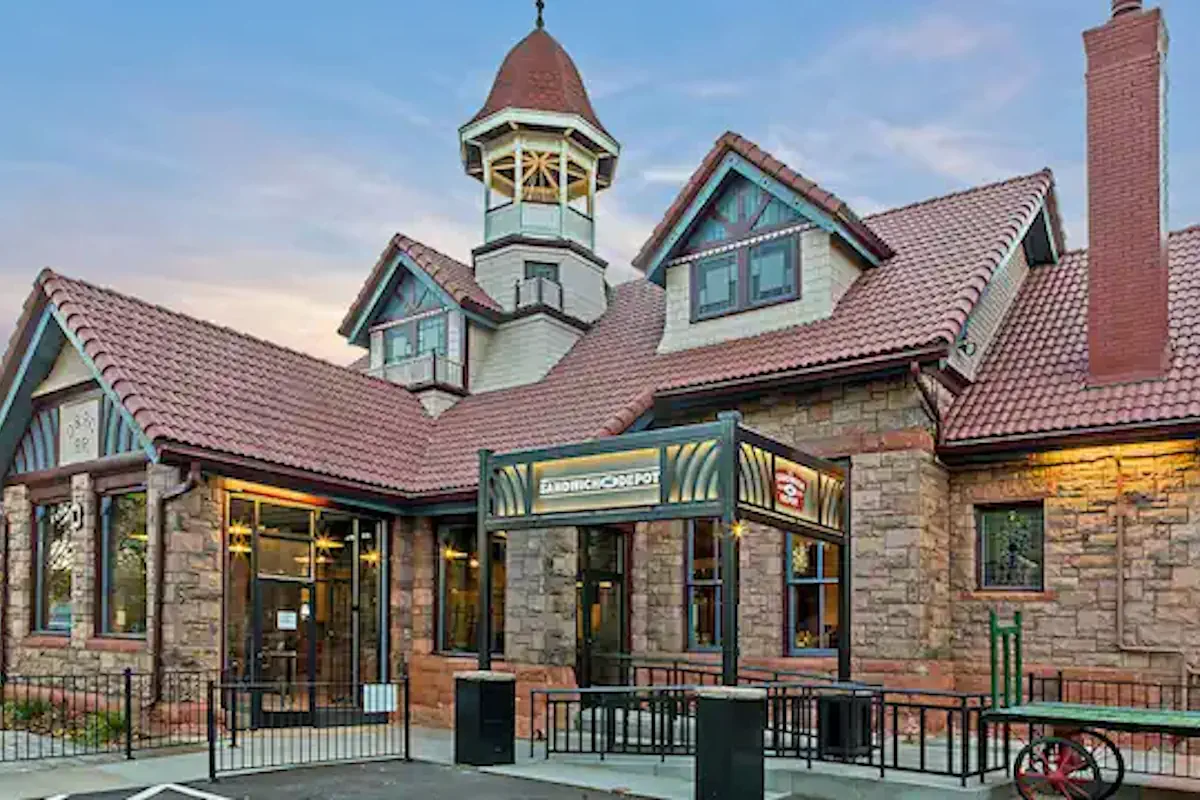
Renovations and tenant finishes can be an excellent fit too. Existing conditions create unknowns, and schedules are often tight. Early field walks and early coordination reduce surprises. This was the case in The Old Depot Renovation project. Prior to starting the project a walk-through identified a number of pre-existing conditions that needed to be addressed before renovations and tenant finishes could even begin. These items affected the cost and timeline but allowed for early value engineering that made the project workable.
How design build fits iiCON Construction’s work
iiCON Construction serves education, government, commercial, industrial, and military projects, plus smaller projects like tenant finishes. That mix aligns well with design build, because these sectors reward early planning, tight coordination, and clear accountability.
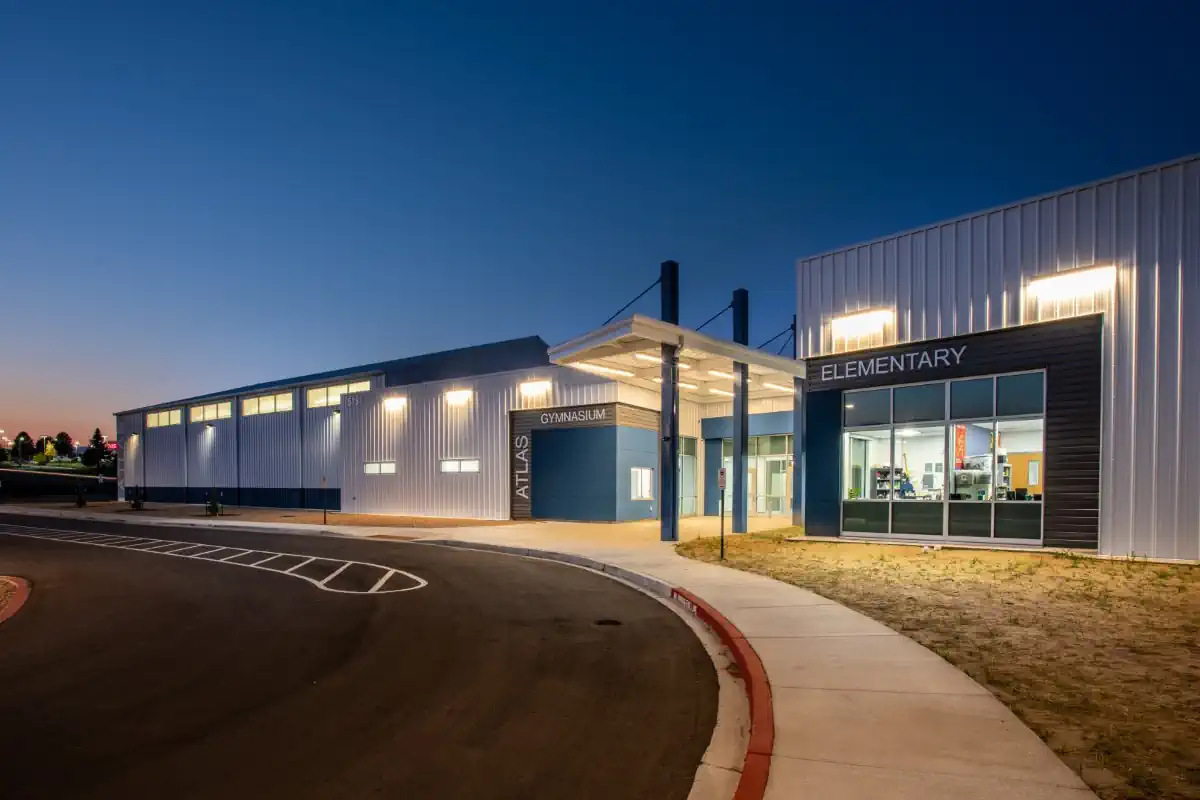
To start, education projects often have tight summer windows and strict campus safety needs. Because of that, early coordination helps the team plan access, phasing, and inspections. It also supports smoother MEP upgrades in occupied facilities.
Similarly, government work often requires clear documentation and frequent stakeholder coordination. For that reason, design build can work well when performance requirements are defined clearly up front. In addition, it can support schedule goals tied to funding cycles and public timelines.
In military environments, controlled access and security requirements add another layer of complexity. As a result, early planning reduces friction around logistics, scheduling, and compliance. It also helps the team align on constraints before the field mobilizes.
Meanwhile, industrial projects often involve heavy utilities, equipment loads, and process constraints. With design build, facility needs and construction sequencing can be aligned earlier. This is especially helpful during retrofits and expansions where downtime matters.
On the commercial side, owners often need predictable openings and coordinated building systems. Because design build supports earlier procurement planning and faster decision-making, it can help protect the opening date. Owners also benefit from a single accountability chain when issues arise.
Finally, tenant finishes usually move fast and come with tight constraints from landlords and existing building systems. In that setting, design build helps validate conditions early and reduce late change orders. It also supports efficient scheduling, which matters when move-in dates are fixed.
Where design build can struggle
Design build is not a perfect fit for every owner and every project. When owner decisions are consistently delayed, design build loses its efficiency advantage. Delays can also increase costs because procurement windows get missed.
Public procurement rules can also affect how design build is used. Requirements vary by agency and jurisdiction. Owners should confirm what is allowed before committing. The contract approach must match the procurement framework.
How to choose the right design build construction company
To choose the right design build construction company for your project, start by looking for companies with relevant experience in your building type. Ask for similar scope, similar complexity, and similar constraints. A strong portfolio is helpful, but the right team matters more.
Meet the people who will run the job daily. Ask how they manage preconstruction, budgeting, and coordination. Ask how trade partners are involved and when. Early trade participation often predicts smoother delivery.
Ask how the team tracks assumptions and decisions. Design build moves quickly, so documentation matters. You want clear logs for cost, scope, and schedule impacts. That protects everyone, especially the owner.
Ask about quality planning and commissioning. In commercial construction, performance is part of quality. Systems must work as intended at turnover. Closeout planning should be visible early, not promised late.
Finally, ask how changes are handled. Changes happen on real projects. The difference is whether the process stays clear and controlled. Fast pricing and clear approvals protect schedule and budget.
Final thoughts
Design build construction is a practical way to deliver complex projects with fewer handoffs and clearer accountability. When schedule pressure, phasing, or dense systems are part of the job, the method can reduce rework and improve predictability. For education, government, commercial, industrial, military, and tenant finish work, the right design build construction company can make a construction project feel less stressful and more controlled.
iiCON Construction Colorado is an award-winning commercial builder. If you are in Colorado, contact us today to learn more about how the design - build method can work best for your project.