Practical observations on construction, workforce, and the built environment across Southern Colorado.
August 2026 • iiCON Construction
Welcome back to Blueprint Colorado.
This month, Mike Suggs, Principal and Managing Broker at NAI Highland, shares his perspective on the local commercial real estate market, the headwinds shaping development, and what owners and developers should be considering as they look ahead.
We’re also taking you behind the work becoming reality at Cheyenne Mountain Zoo, with the new Giraffe Center.
As summer begins to give way to fall, projects, priorities, and market conditions continue to shift across the Front Range. We’ll keep listening to the conversations happening around the industry and bringing the most useful insights back to your inbox.
Let’s get into it.
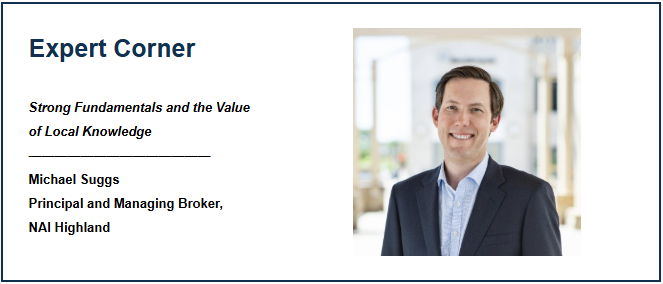
Mike Suggs has spent more than 20 years working in commercial real estate across Colorado Springs and El Paso County.
As Principal and Managing Broker at NAI Highland, he speaks regularly with owners, developers, investors, tenants, and business leaders. Those conversations reveal a market that remains optimistic, even as projects face real pressure.
One lesson has guided Mike throughout his career:
“Commercial real estate is a relationship business, so taking care of the people you work with is really important.”
Key takeaways for owners and project teams:
1. Confidence remains, despite the headwinds.
Interest rates, construction costs, tariffs, energy codes, and regulatory requirements are all creating uncertainty in the broader market and making it harder for projects to pencil. Even so, owners and developers still feel good about the long-term strength of the local market.
2. National headlines can distort the local picture.
Office markets are struggling in some major cities, but Colorado Springs has not experienced the same level of distress. Vacancy remains relatively low, and demand is stable.
"I think that the biggest misconception about our local commercial real estate market is about the office market. ... our office market is still strong."
3. Demand is beginning to shape the next cycle.
Apartment developers are calling again as recently built units are absorbed and the region’s housing needs continue. Since development takes years, today’s early activity may signal where the broader market is heading.
4. Good land decisions begin with due diligence.
Buyers need to understand zoning, utilities, entitlements, timelines, and whether a property truly supports its intended use. For long-term land investors, patience is just as important.
5. Local expertise reduces risk.
Mike often sees outside developers rely on consultants who do not know local processes. Local engineers, planners, architects, and brokers can clarify approval timelines, identify risks, and prevent added costs.
“Timing is everything in the development business.”
Mike’s outlook remains grounded in the strength of Southern Colorado’s fundamentals. People still want to live here, companies continue to invest, and the region benefits from strong military anchors and a growing mix of industries. The headwinds may affect when and how projects move forward, but they have not erased the long-term demand behind the market.
In that environment, relationships and knowledgeable partners matter even more. Owners and developers who ask the right questions early, understand the local process, and work with trusted advisers will be better prepared to recognize opportunity and manage risk.
To learn more about Mike and the NAI Highland team, visit highlandcommercial.com.
From the Field
More than two years of hard work by teams across the Front Range is coming together. With the grand opening of the International Center for the Care and Conservation of Giraffe approaching, we’re highlighting some of the details that will shape the experience for guests on opening day.
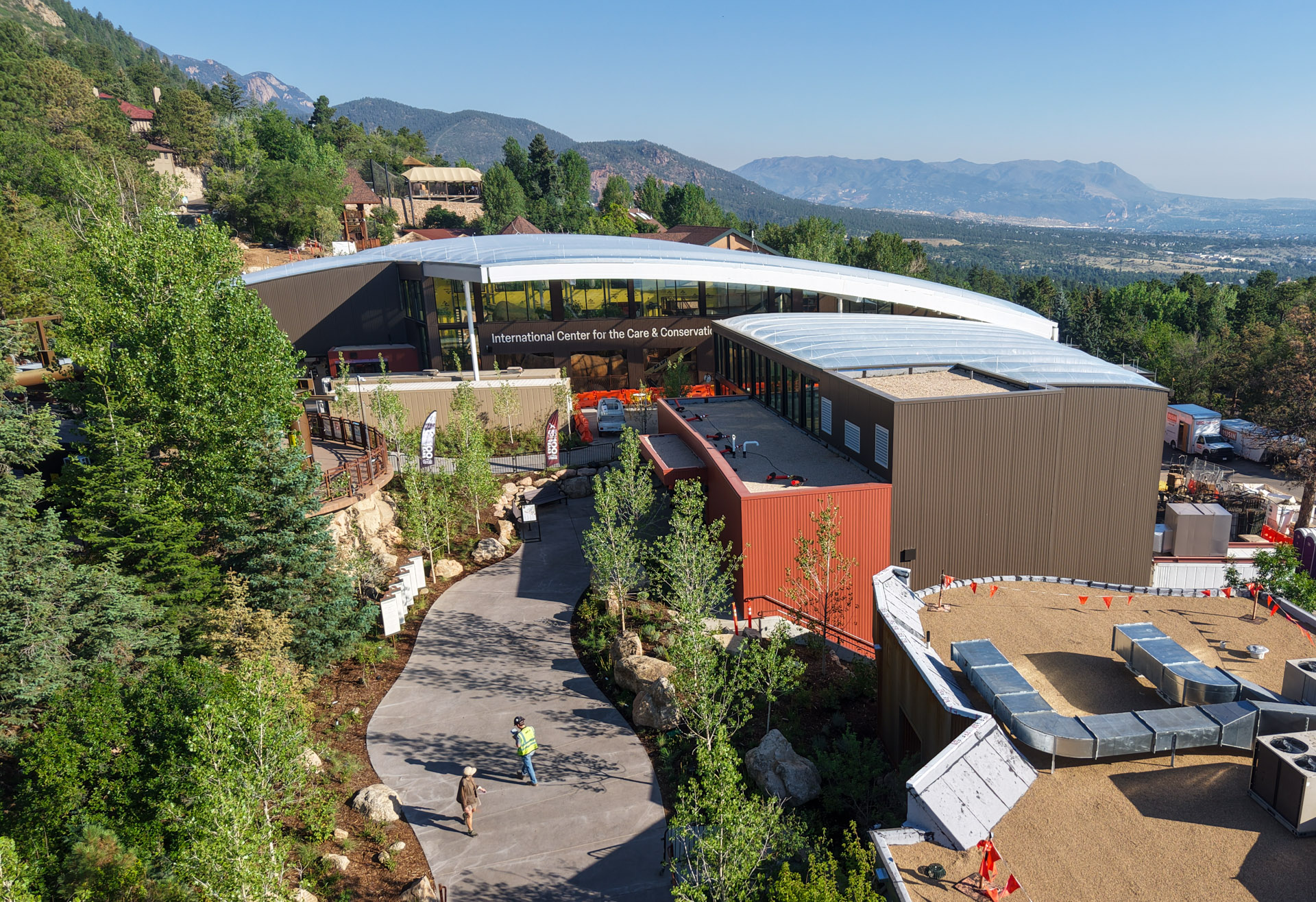
Creating a new home for the largest giraffe herd in North America required careful consideration for both the animals’ well-being and the overall Zoo experience. One of the project’s most prominent features is its ETFE roof, which fills the space with natural light. This supports the plants and trees throughout the habitat while allowing the herd to experience natural sunlight and changing moon cycles.
Beneath the roof is a new 12,000-square-foot indoor habitat featuring:
-
An ADA-accessible walkway throughout the exhibit
-
A variety of new feeding experiences, including the ground-level “shark cage”
-
An adventure play bridge leading to an interactive island, with an alternate stair route
-
An energy recovery ventilator system that cycles ten times more air than the previous enclosure
-
Container farms for growing giraffe feed
-
High-speed Rytec doors that support safe and efficient giraffe movement
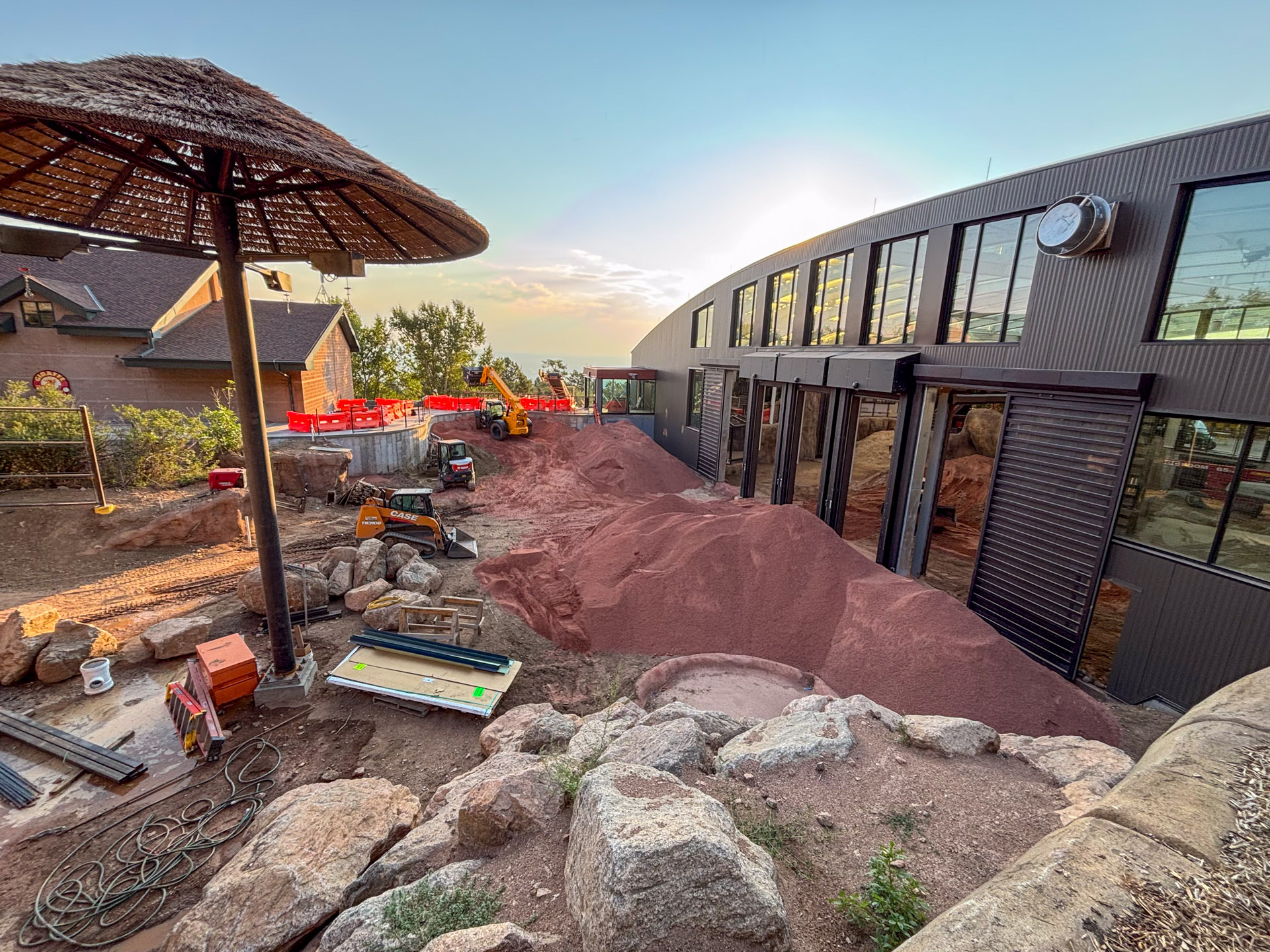 The finished space will create new experiences and memories for Zoo guests for years to come. It has only been possible because of the teams who have shown up every day and worked together to bring this vision to life.
On Our Radar
Back to Business
As summer winds down, the pace starts to change. We hope many of you had the chance to unplug, spend time with family, and enjoy everything a Colorado summer has to offer.
Now, routines begin to return. Parents are getting kids back into school schedules, evenings are filling with fall sports and activities, and calendars are quickly filling with meetings, site visits, and project discussions. Across our industry, this time of year often brings renewed energy as teams work to keep projects moving and make the most of the construction season before winter arrives.
Whether you're returning from vacation or settling into a new routine, we wish you a successful fall filled with meaningful work, strong partnerships, and opportunities to build something great. All of us at iiCON are excited to see what this season brings for our clients, partners, and community.
Closing Thought
Markets rarely move in a straight line.
There will always be headwinds, changing costs, and new questions to work through. But as Mike’s perspective reminds us, strong markets are built on more than favorable conditions. They are built on good relationships, local knowledge, and people willing to solve problems together.
As we head into fall, that feels like a useful reminder for any project: you may not control every condition around you, but having the right people at the table can make all the difference.
Until next month,
Uriah & Ben
Telling the Stories That Build Communities