Practical observations on construction, workforce, and the built environment across Southern Colorado.
September 2026 • iiCON Construction
Welcome back to Blueprint Colorado.
This month, we’re looking at how early awareness can lead to better outcomes.
Adam Swain of 633 Construction shares what project teams can learn from below-grade conditions and why early civil input can help uncover risk before it reaches the field. We’ve also had the chance to work with Adam and the 633 team on the Monument Academy athletic stadium.
We’re also taking a look inside the newly opened Cheyenne Mountain Zoo Giraffe Center. If it feels like we’ve been talking about this project for a while, that’s because we have. This month, we finally get to talk about opening day.
In On Our Radar, we’re highlighting an upcoming ABC Rocky Mountain event focused on an important side of employee safety that often gets less attention.
A few practical perspectives worth keeping on your radar.
Let’s get into it.
Some of the most expensive problems on a construction project start with assumptions that seem small on paper.
Where will the dirt go? Are the existing utilities actually where the survey says they are? Do the architectural and civil plans line up? What happens when crews discover something underground that nobody expected?
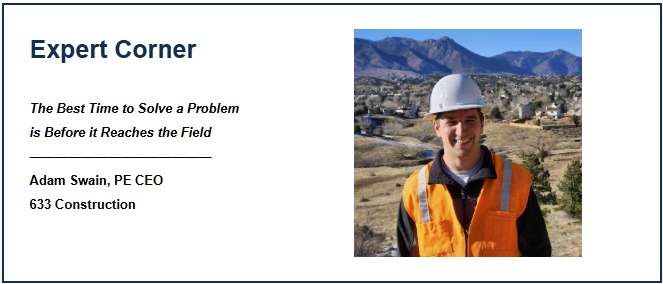
Adam Swain of 633 Construction brings a perspective shaped by both engineering and field experience. He began his career as a civil highway inspector before moving into constructability and cost engineering, learning early how much better projects can perform when those perspectives come together. Today, that same mindset guides his approach to complex civil work involving earthwork, utilities, drainage, and engineered structures.
The biggest takeaway: involve field expertise early.
1. Dirt can become a major cost driver.
One of the first things Adam looks at is the earthwork balance. Importing or exporting large quantities of material can quickly add cost, while relatively small design decisions can sometimes change the equation significantly.
“You can’t move your building once you’ve placed concrete.”
Something as simple as adjusting a building or site elevation during design can potentially avoid significant hauling or earthwork costs later.
2. Verify what you think you know.
Old survey information, unknown soil conditions, and inaccurately located utilities can quickly turn into redesigns, delays, and change orders. Adam advocates for investigating as much as practical during preconstruction through tools such as geotechnical exploration and hydro excavation.
“It might be slower and a little bit more expensive,” he said, “but it will decrease your risk and save you an outsized amount of money during construction.”
3. Coordination matters before mobilization.
Civil plans do not always align perfectly with architectural, mechanical, or utility plans. Finding those conflicts while the team is still designing gives everyone more options than discovering them with crews and equipment already on site. That is why Adam believes civil contractors can provide meaningful value well before pricing or mobilization, even in an advisory role.
The same philosophy carries into communication. One of 633 Construction’s core values is “radical transparency”: communicating issues early, honestly, and with enough information for the team to solve them together.
Adam’s question for owners and project teams before breaking ground captures the idea well:
“Have we spent significant time and effort with an experienced contractor to optimize this design?”
The earlier that conversation happens, the more opportunity there is to solve problems on paper instead of in the dirt.
Learn more about Adam and his team: 633construction.com
From the Field
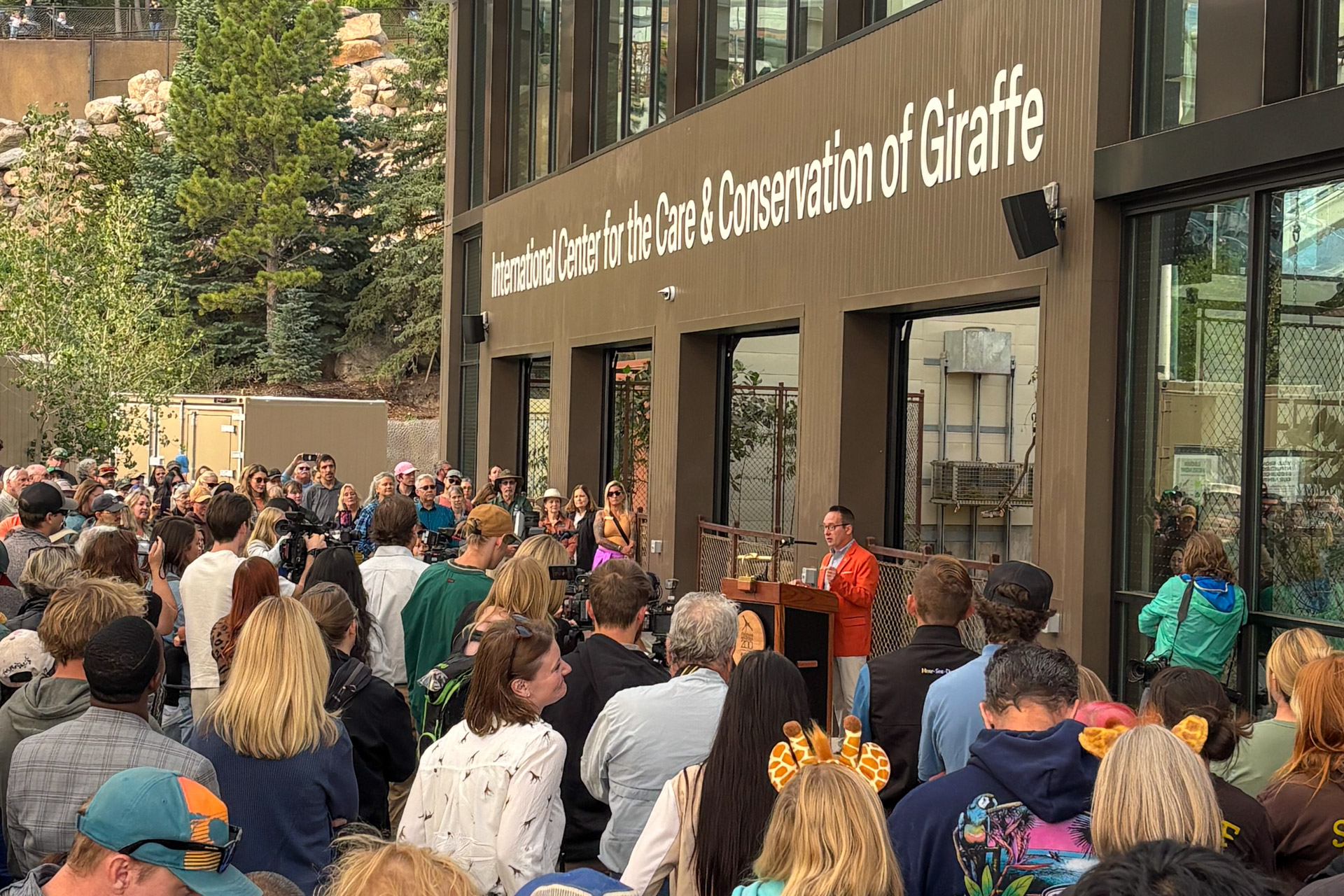
The grand opening of Cheyenne Mountain Zoo’s new giraffe pavilion on September 15 gave guests their first opportunity to experience the completed space.
Remarks from CMZ Board Chair Mike Edmunds, Ryan Trujillo, Deputy Chief of Staff to Mayor Yemi Mobolade, and President and CEO Dave Ruhl helped mark the occasion before Ruhl and Zoo Architect Sheva Willoughby officially opened the doors.
Guests entered the pavilion and were welcomed by North America’s largest giraffe herd, with lettuce in hand from one of the new feeding experiences throughout the space. Zoo docents were also on hand to share giraffe biofacts and help guests learn more about the herd.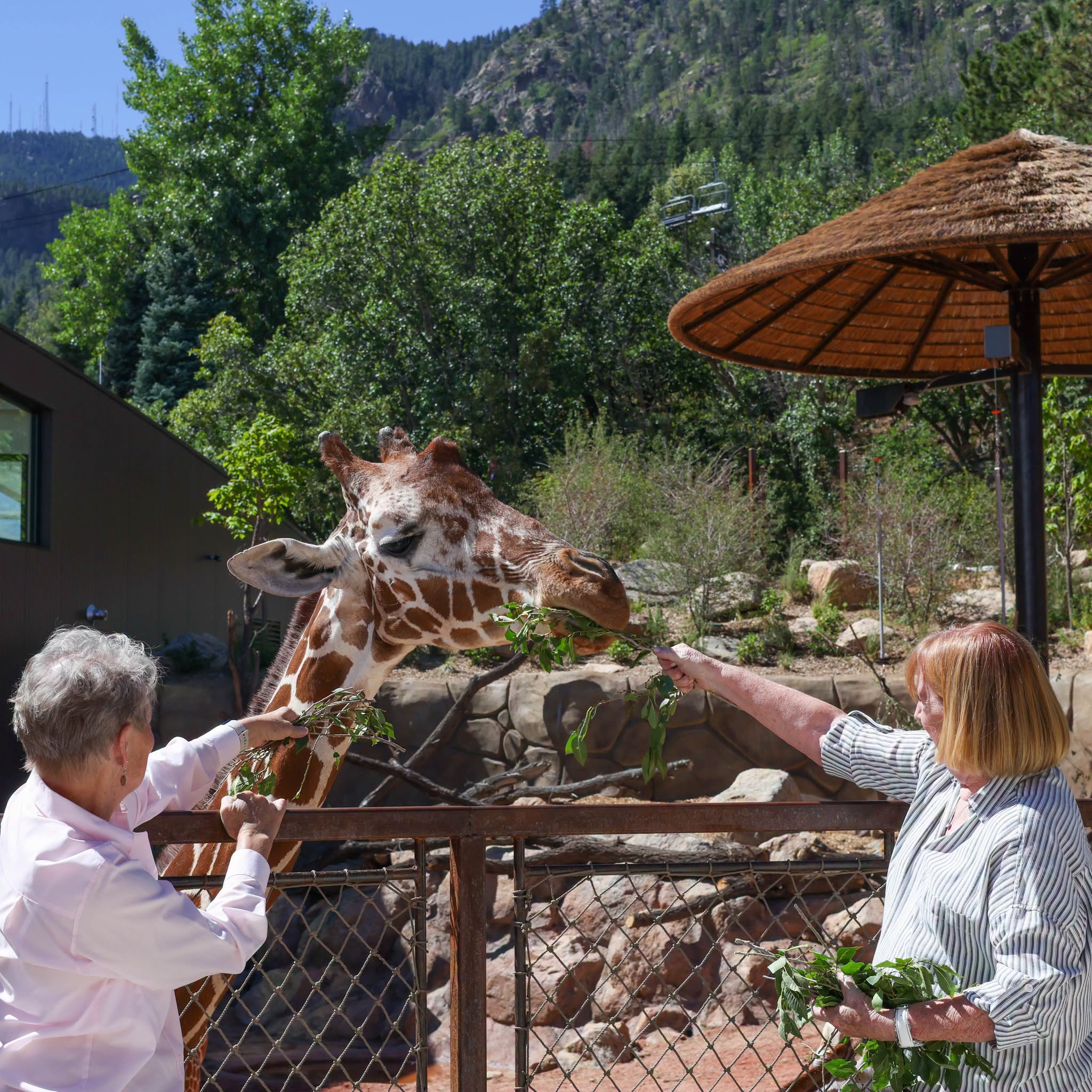 Photo courtesy of Cheyenne Mountain Zoo via Facebook
The opening marked an exciting milestone for a project years in the making and gave visitors a first look at how the new pavilion brings together animal care, education, and a more immersive guest experience.
You can experience the new pavilion yourself by purchasing tickets through the Cheyenne Mountain Zoo website: cmzoo.org
On Our Radar
Mental Health is a Safety Issue
In construction, safety conversations often focus on what we can see: fall protection, PPE, equipment, jobsite conditions, and the procedures that help everyone go home safely.
But some of the most serious risks facing our industry are harder to see.
Mental health and suicide continue to be significant challenges within construction, making it increasingly important for leaders and coworkers to know how to recognize when someone may be struggling and what to do next.
On October 1, ABC Rocky Mountain is hosting three Vital Cog: Mental Health & Suicide Prevention sessions in Denver. The training is designed to help people recognize warning signs, better understand risk factors, and feel more prepared to connect a coworker with help when it matters.
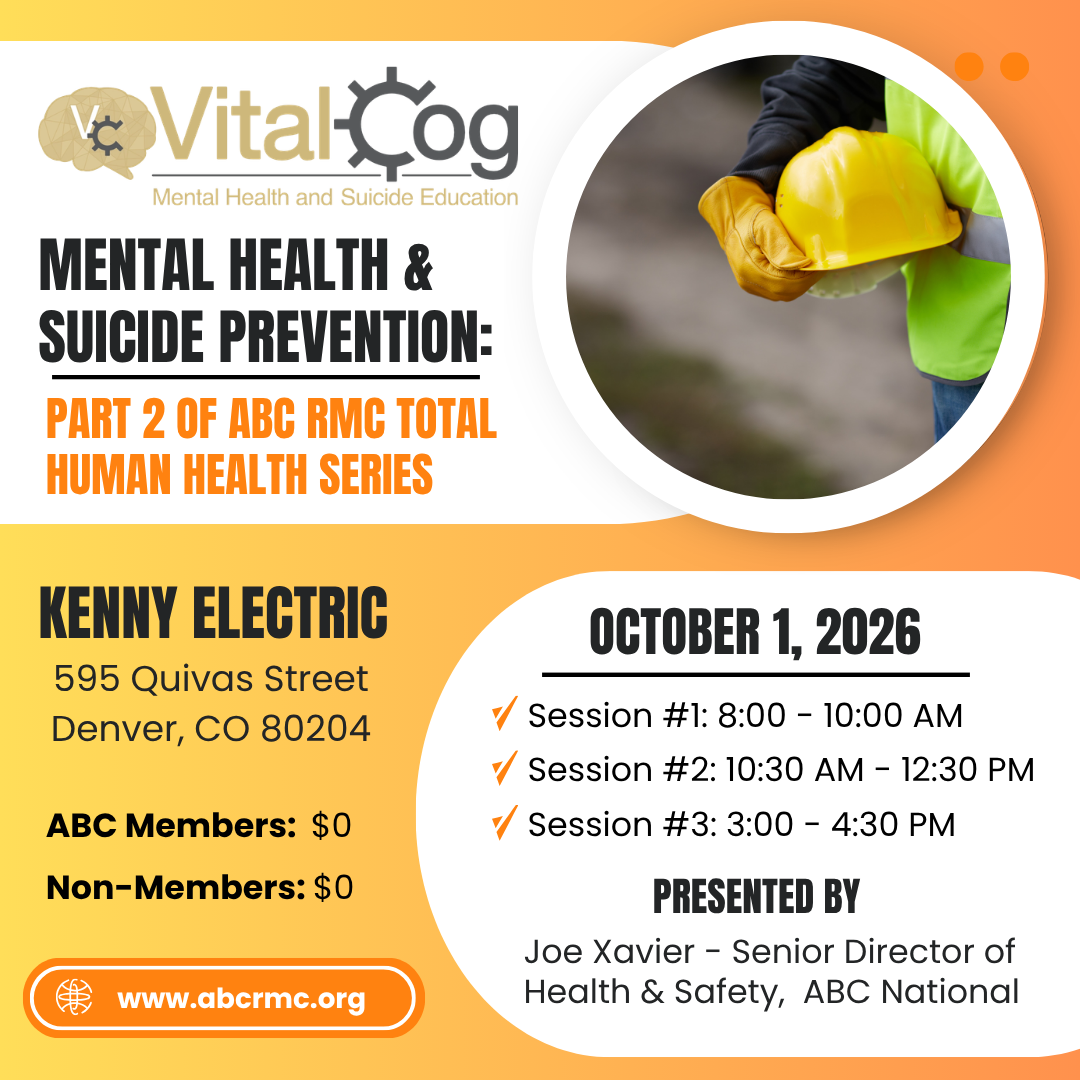
It is a good reminder that creating a safe workplace goes beyond the physical jobsite. It also means building teams where people know each other well enough to notice when something is off, feel comfortable starting a difficult conversation, and understand where to turn for support.
That is a part of safety worth keeping on all of our radars.
Interested in attending? Learn more and register for a Vital Cog session using this link
Vital Cog: Mental Health & Suicide Prevention
Closing Thought
The details matter, and so do the people behind them.
Adam Swain’s perspective shows how small decisions below grade can shape cost, schedule, and constructability. The new giraffe pavilion reflects years of coordination across a large team. And the conversation around employee safety is a reminder that the people doing the work deserve just as much attention as the work itself.
Good outcomes come from asking the right questions early, communicating clearly, and looking out for one another.
Until next month,
Uriah & Ben
Telling the Stories That Build Communities