
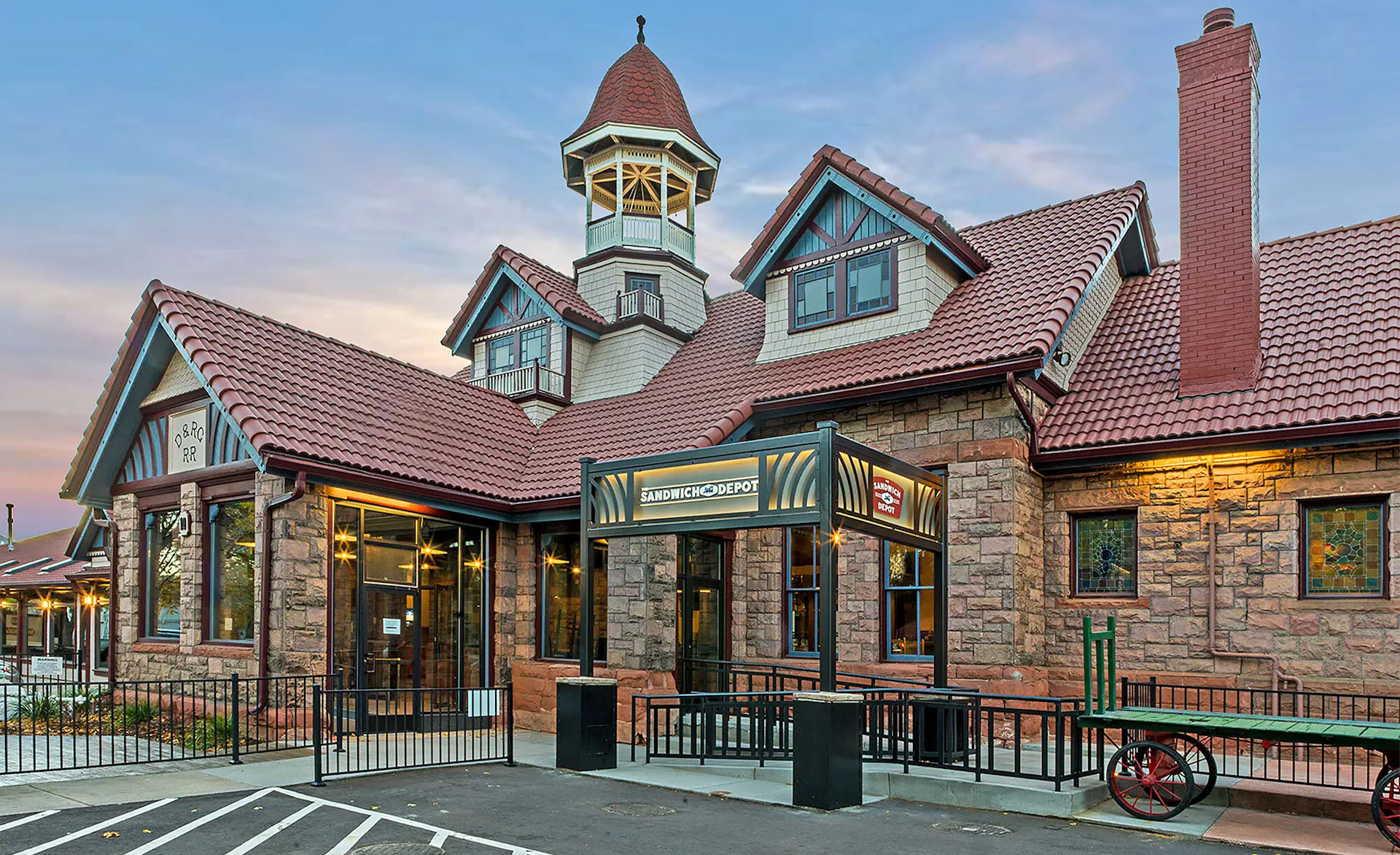
Commercial property has become the foundation for a new era of innovation in construction. Across the country, old buildings are being reimagined as thriving offices, studios, and mixed-use spaces. This approach, known as adaptive reuse, allows us to help businesses transform what already exists into spaces that are innovative, practical, and built for the future.
The shift is driven by more than aesthetics. Our clients value sustainability, efficiency, and community impact as much as design. By reusing existing structures, we help property owners reduce waste, lower costs, and create modern workplaces that connect the past with the future of business.
The Shift Toward Adaptive Reuse
Adaptive reuse represents more than a construction trend. It is a mindset that challenges the traditional idea of building from scratch. By updating and reimagining existing structures, we help property owners save resources, reduce costs, and minimize waste.
According to the U.S. Environmental Protection Agency, reusing buildings can preserve 50 to 75 percent of the embodied carbon that would otherwise be released during new construction. In other words, giving a building a second life is one of the most sustainable decisions a business can make.
Commercial renovation projects also create opportunities for communities. Reviving an old factory or office building often attracts new tenants, stimulates local economies, and preserves cultural identity. Each adaptive reuse project helps strengthen the link between history and contemporary innovation.
Why Businesses Are Choosing Renovation Over New Construction
For many property owners, the decision to renovate instead of build is both practical and strategic. There are three main reasons driving this shift:
- Cost Efficiency: Renovating an existing structure is often far less expensive than starting fresh. Foundations, utilities, and walls can frequently be preserved, which means lower material and labor costs.
- Faster Project Completion: Because adaptive reuse skips the long permitting and excavation phases required for new builds, projects can move forward more quickly. Businesses can get back to work sooner, saving both time and money.
- Sustainable Construction: The U.S. Department of Energy reports that retrofitting existing buildings improves energy performance throughout their lifespan. For many companies, these upgrades translate into lower utility costs, improved efficiency, and a stronger return on investment, proving that sustainability also makes financial sense.
As specialists in renovation, we know how to merge next-generation technology with classic architecture. Our expertise allows property owners to maximize value while protecting both heritage and the planet.
How Commercial Builders Turn Old into New
Adaptive reuse demands both creativity and precision. Before a single tool is lifted, we evaluate the building’s structure, utilities, and potential for redesign. Our engineers, architects, and project managers collaborate to develop a plan that balances practicality with innovation.
The process may include upgrading HVAC systems, reinforcing foundations, or integrating smart technologies like motion-sensing lights and automated climate control. Our job is to maintain the integrity of the original structure while adapting it for today’s performance and safety standards.
This combination of craftsmanship and innovation makes every adaptive reuse project unique. Whether it is a warehouse becoming a tech hub or a bank transformed into a restaurant, these projects prove that modern functionality can live inside old walls.
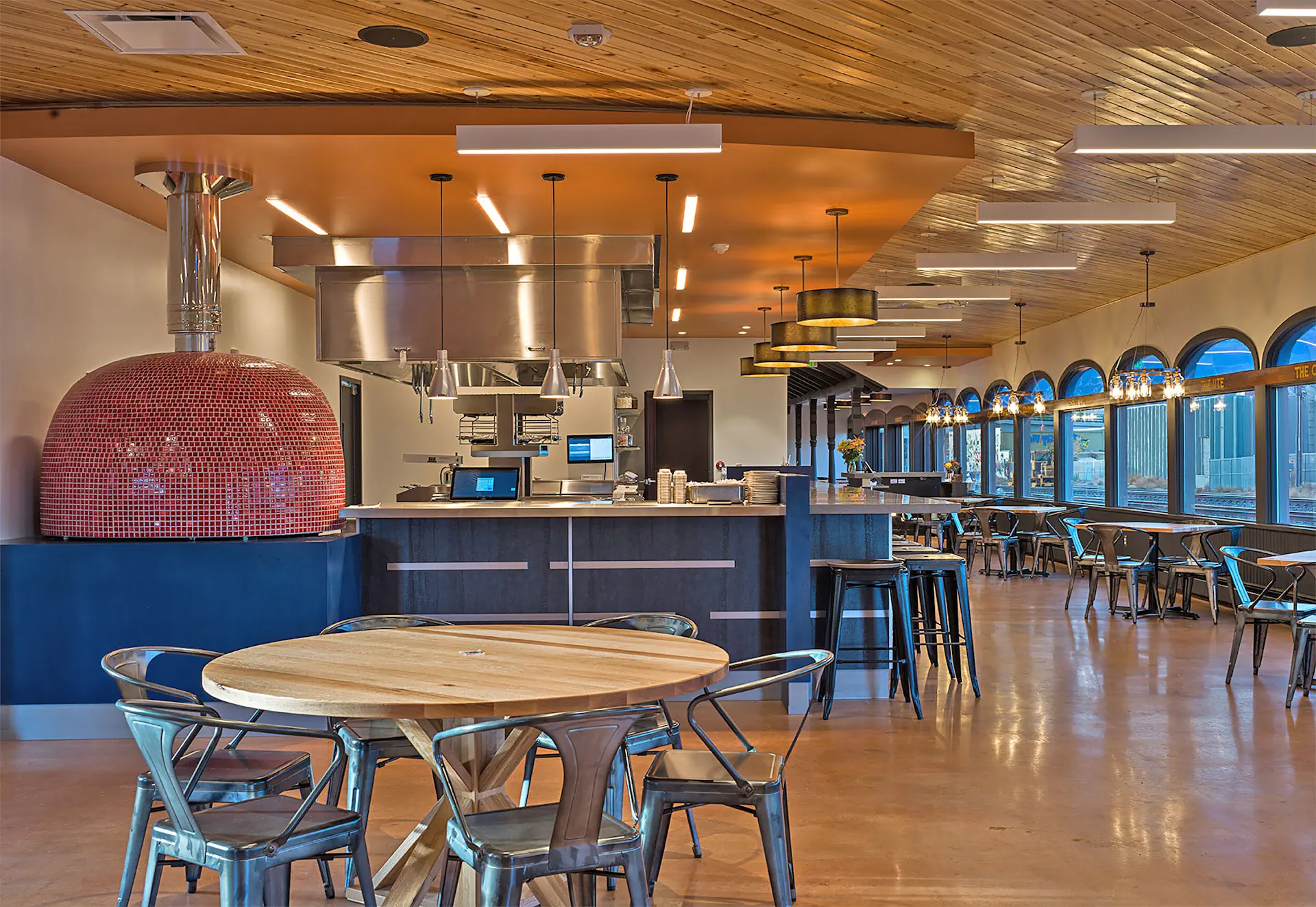 Modern Remodeling Techniques That Define the New Workplace
Once a building’s structure is sound and the vision is clear, the real transformation begins. This is where adaptive reuse meets creativity. Through thoughtful remodeling, we redefine how existing properties function and feel.
Modern remodeling is about much more than new paint or fixtures. It is about reshaping how people experience a workspace. Today’s companies want spaces that adapt to changing needs, support employee well-being, and perform efficiently day after day. Adaptive reuse makes that possible with:
Flexible Layouts
Workplaces are no longer one size fits all. Movable walls, modular furniture, and open floor plans let businesses adjust their spaces as teams grow or priorities shift. The design evolves right along with the company.
Sustainable Materials
Reclaimed wood, recycled metal, and low-VOC finishes are becoming the new standard. These materials look great, last long, and create healthier indoor environments while reducing environmental impact.
Smart Technology Integration
Smart lighting, Wi-Fi controlled HVAC, and advanced security systems can bring older buildings into the modern age. These upgrades improve energy efficiency, enhance comfort, and make day-to-day operations smoother.
Biophilic Design
Bringing natural elements indoors helps employees feel more focused and refreshed. Natural light, plants, and outdoor access contribute to healthier, more enjoyable work environments. When these modern remodeling techniques come together, the result is far more than a simple renovation. The space transforms into a workplace where people feel comfortable, energized, and connected.
Thoughtful design encourages collaboration, sparks creativity, and supports both productivity and well-being.
While technology and layout upgrades play a big role, the best results come from thoughtful design that feels authentic and built to last. Every successful adaptive reuse project delivers quality, comfort, and a sense of continuity that connects people to the space.
Preserving Character While Meeting Modern Standards
One of the most compelling aspects of adaptive reuse is the balance between preservation and progress. Many business owners want modern performance without losing the authenticity of the building’s history.
A brick warehouse might keep its original façade while gaining high-efficiency windows, insulation, and interior upgrades. A vintage office building might retain its marble floors while integrating LED lighting and high-speed networks.
When we strike this balance, we deliver both character and performance. Even small upgrades such as better insulation, updated wiring, and efficient plumbing improve comfort and performance while protecting the building’s historic character. These updates improve energy performance while preserving the building’s original charm.
The Broader Benefits of Adaptive Reuse
Adaptive reuse benefits individual property owners while also strengthening entire communities. Older buildings are often located in established neighborhoods with strong infrastructure. By revitalizing them, developers encourage local investment, foot traffic, and economic activity.
These projects show that progress does not have to come at the expense of heritage. By bringing new purpose to existing buildings, developers strengthen local economies and preserve the stories that make each community unique.
Remodeling makes this transformation possible, connecting generations through thoughtful, responsible design that blends function, character, and lasting value.
Partner with Commercial Property Experts Who Build for the Future
Bringing a vision for adaptive reuse to life takes more than construction experience. It requires a team that understands how to balance creativity with technical precision, blending modern design with the integrity of existing structures while keeping every project efficient and on schedule. Working with experienced commercial builders ensures your commercial property reaches its full potential. The right partner can help you reimagine layouts, upgrade systems, and design workspaces that perform beautifully for years to come.
iiCON Construction Colorado is an award-winning commercial builder. If you are in Colorado, contact us today to identify opportunities within existing commercial property and create innovative workplaces that inspire productivity and long-term value.